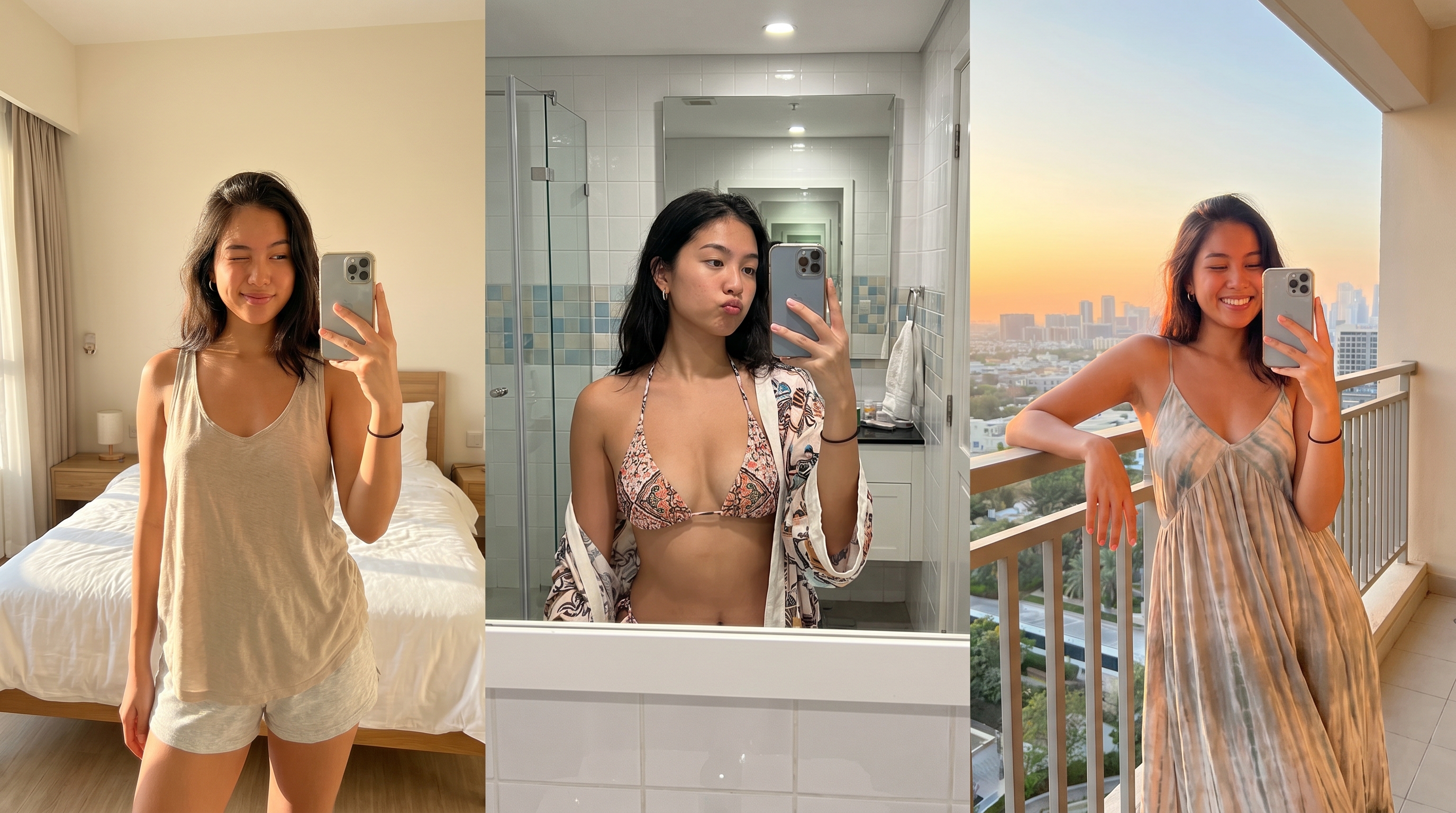
A personal brand is not a logo or one perfect photo shoot. It is a consistent answer to three questions: why does the audience remember this creator, what do they expect from her page, and why do they return? Strong positioning makes content easier to plan without endlessly copying trends.
A niche and positioning are not the same thing
A niche describes a broad direction; positioning gives it character. Two creators may work in the same category while one presents a warm girl-next-door identity and the other a confident fashion-led persona. Visual choices, captions, boundaries, conversation style, and paid offers should all support the chosen identity.
Where a brand strategy begins
- Creator goals: the preferred workload, level of public exposure, and comfortable formats.
- Natural strengths: appearance, humor, interests, languages, communication style, or shooting skills.
- Audience: who connects with this identity and what they want to receive consistently.
- Boundaries: what the creator makes, what she does not do, and how the team handles inappropriate requests.
- Distinctive qualities: a few traits that can appear consistently across different channels.
A visual system without repetition
A cohesive page does not require identical photographs. We define a base palette, lighting direction, angles, locations, and repeatable content series while leaving room for seasonal themes and spontaneous ideas. This makes batch production practical without making the profile feel mechanical.
Brand voice across captions and chats
A post caption, a welcome message, and a chat response should sound like the same person. Vestra Models creates a concise voice guide covering tone, preferred phrases, conversation themes, prohibited claims, and escalation rules. This becomes especially valuable when several specialists support one profile.
We do not invent a false personality for a creator. The strongest positioning amplifies qualities that already feel natural and interesting in her.
How positioning shapes the offer
Pricing and content formats are also part of the brand. One profile may suit an accessible subscription with frequent interaction; another may work better as a premium experience with fewer, carefully prepared releases. We do not apply one formula to everyone. The offer must make sense for the identity and audience expectations.
When positioning should change
It is time to review the strategy when the creator feels trapped by the persona, the audience consistently misunderstands the page, or producing suitable content becomes difficult. Changes should be introduced gradually and evaluated through real subscriber response. The agency's role is to bring structure and manage implementation without taking away the creator's right to decide who she wants to be online.